Amazon for food and grocery brands
What makes food different on Amazon
Grocery category rules
Food listings come with their own requirements and, for some products, approval before you can sell. I'll tell you what applies to yours and get the paperwork in order.
Expiration dates and lots
Amazon's warehouses have strict rules for dated products, from labeling to how much shelf life is left when inventory arrives. Getting it wrong means rejected or destroyed stock.
Heat-sensitive products
Chocolate, fats and other products that can melt face seasonal limits in Amazon's network. I sell beef tallow, so I plan around this every year.
Packaging that survives shipping
Bags burst and jars break in fulfillment centers. Packaging and prep choices made before launch decide your damage rate and your reviews.
Claims and labels
Health and ingredient claims on a listing can get it pulled. Listings need to match your label and stay inside what's allowed.
Repeat buyers
Food is bought again and again. Subscribe & Save, bundles and pricing for reorders are where much of a food brand's Amazon profit comes from.
Questions from food brands
What food products do you sell yourself?
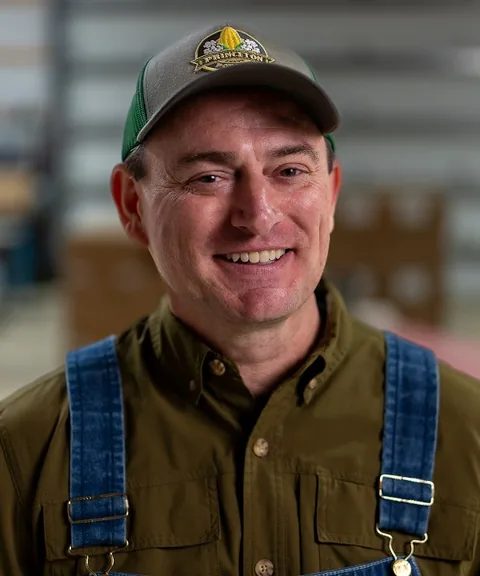
Popcorn and grains from my farm, plus beef tallow, sold under Princeton Popcorn and Farmer Bob's and shipped through Amazon's network. The problems above are ones I deal with myself.
We sell in grocery stores already. Is Amazon worth it?
Often, because Amazon reaches customers your stores don't, but it depends on your margins after Amazon's fees and shipping. Your Launch Plan answers that with real numbers before you spend on inventory.
Selling food? Let's talk.
Tell me where you are with Amazon and I'll get back to you personally. If it's a fit, we'll set up a free 30-minute call.
I work with a small number of brands at a time, so each one gets me, not an account manager. If I'm full, I'll tell you when I can start.